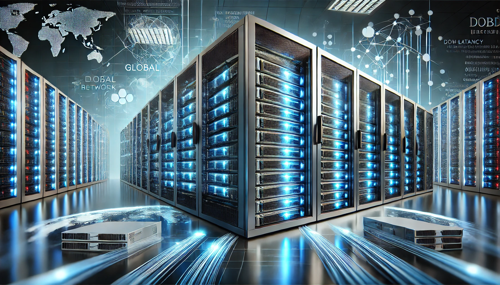
question 1: what is the korean e5 series server?
south korea's e5 series servers are a series of high-performance servers produced by south korea's leading it companies, designed to meet the needs of various enterprises and data centers. these servers use the latest processor technology, usually equipped with intel's e5 series processors, which have extremely high computing power and data processing speed. at the same time, the e5 series servers are designed to focus on energy efficiency and stability, and are suitable for large-scale data processing, cloud computing and virtualization environments.
question 2: what is the performance of south korea's e5 series servers?
the performance of south korea's e5 series servers is very good. first of all, the equipped intel e5 processor supports multi-threading technology, allowing the server to handle multiple tasks at the same time, greatly improving concurrent processing capabilities. secondly, these servers are usually equipped with large-capacity memory and high-speed ssd storage, ensuring fast data reading, writing and access speeds. in addition, the e5 series servers also support multiple network interfaces, providing higher data transmission rates and suitable for high-load business scenarios.
question 3: what are the advantages of korean e5 series servers?
the advantages of south korea's e5 series servers are mainly reflected in the following aspects:
1. high performance: as mentioned earlier, the powerful performance of the e5 processor enables these servers to handle large amounts of data and complex operations.
2. high energy efficiency: the e5 series servers adopt advanced energy-saving technology, which can reduce energy consumption while maintaining high performance. it is very suitable for enterprise environments that require 24-hour uninterrupted operation.
3. scalability: the e5 series servers support a variety of configuration options, and enterprises can flexibly adjust hardware configurations according to their own needs to meet different business needs.
4. stability: south korea's e5 series servers have undergone rigorous testing to ensure stable operation under various workloads and reduce the risk of system failure.
5. technical support: after purchasing the e5 series server, enterprises can usually enjoy professional technical support and after-sales service to provide guarantee for use.
question 4: how to choose the e5 series server configuration suitable for the enterprise?
when choosing a korean e5 series server configuration suitable for an enterprise, you first need to clarify the actual needs of the enterprise, including business type, number of users, and data processing volume. secondly, consider the following aspects:
1. processor selection: choose a suitable e5 processor model based on different workloads. for example, for computing-intensive applications, you can choose a processor with a high core count.
2. memory configuration: make sure the server has enough memory to ensure smooth multitasking. generally, it is recommended to choose a memory configuration of at least 64gb.
3. storage solution: choose the appropriate hard drive type and capacity based on data storage needs. ssd storage can provide faster read and write speeds and is suitable for applications that require fast access to data.
4. network interfaces: select the appropriate number and speed of network interfaces to meet data transmission needs.
5. scalability: consider future business development and select servers that support expansion to facilitate subsequent hardware upgrades.
question 5: what are the application scenarios of korean e5 series servers?
south korea's e5 series servers are widely used in many fields, including:
1. data center: as the core equipment of high-performance computing, e5 series servers are widely used in major data centers to provide powerful data processing capabilities.
2. cloud computing: the efficient performance and scalability of the e5 series servers make it an ideal choice for cloud computing platforms. it supports multi-tenant environments and is suitable for enterprises that provide cloud services.
3. virtualization: the e5 series servers can run multiple virtual machines and are suitable for enterprises that require virtualization solutions to help reduce hardware costs and improve resource utilization.
4. big data analysis: in a big data environment, the e5 series servers can process massive amounts of data, perform real-time analysis and mining, and provide data support for corporate decision-making.
5. enterprise applications: many enterprise-level applications (such as erp, crm, etc.) have high requirements for server performance. the e5 series servers can meet the needs of these applications and provide support for enterprise operations.
- Latest articles
- Key Considerations Regarding Qualifications And Technical Support When Selecting A Service Provider For The CN2 Server Cluster In South Korea
- Recommended Singapore IPLC Dedicated Servers For Security And Compliance – Case Studies On Data Encryption And Dedicated Channel Deployment
- A Practical Guide For Nationwide Deployment Strategies And Network Coverage Optimization Based On Korean Servers
- Actual Measurement Summary Of Hong Kong Native Ip Hong Kong Cn2 Comparison With Other Mainstream Direct Connection Effect Reports
- Anonymity And Ip Pool Size That You Must Pay Attention To When Choosing A Native Proxy Ip In Vietnam
- How To Open A Vps Server In Taiwan? Analysis On Saving Money Strategies With Discounts And Long-term Contracts
- A Step-by-step Explanation Of Common Problems And Rollback Strategies For Vietnam Server Upgrades
- Cn2 Us Dedicated Server Performance Comparison And Enterprise Rental Guide Detailed Explanation
- How To Make Japanese Cloud Server Comparison And Purchase Decisions Based On Business Scenarios
- Stability Evaluation Of Taiwan’s Native Residential Ip’s Packet Loss And Delay Performance Under Long-term Connections
- Popular tags
-

Advantages And Experience Of Using Korean Servers In Tarkov Game
discuss the advantages and experience of using korean servers in tarkov games, and recommend high-performance server solutions. -
How Can Korean E-commerce Sites Achieve Profitable Growth?
this article explores how to achieve profitable growth in korean e-commerce sites by selecting appropriate servers, vps, hosting and domain names. -

Evaluate The Usage Experience And Effect Of Liuliu Cloud’s Korean Native Ip
this article evaluates in detail the experience and effect of liuliuyun's korean native ip, including specific operation steps and usage experience.